Consultation with WCD, West Bengal for Gender-Responsive Livelihoods, Transport and Infrastructure

Azad, in collaboration with Sabar Institute, engaged with the Department of Women and Child Development (WCD), West Bengal, to push forward a gender-responsive agenda in livelihoods, transport, and infrastructure:

Meeting with Smt. Sanghamitra Ghosh, Principal Secretary, Women and Child Development, West Bengal
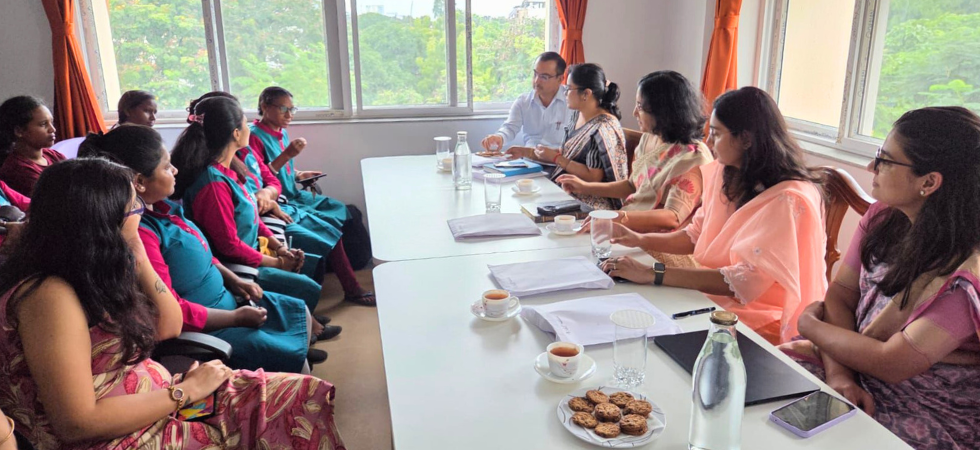
On 11 Sep’2025, Mousumi Sarkar (State Lead, Kolkata, Azad Foundation), Sabir Ahamed (Convenor, Sabar Institute and Programme Director, Pratichi Institute) and 25 drivers and riders trained by Azad met with the Principal Secretary of Department of Women and Child Development, West Bengal. The meeting was also joined by eight senior officials, including IAS officers and the Protection Officer, Kolkata.

The drivers and riders voiced their lived realities and demands directly to the officials. They raised pressing issues such as lack of access to safe and clean public toilets, absence of community crèches, the need for free public transport for women, simplified Heavy Motor Vehicle (HMV) licensing and training processes, a separate Regional Transport Office (RTO) window for women, improved street lighting, access to mobile phones, and interest-free car loans to support their entry into non-traditional livelihoods and a life with dignity.

Azad and Sabar are closely engaging with WCD, West Bengal to take this discussion forward, with the shared aim of ensuring that women, trans, and queer persons can access livelihoods, public transport, and infrastructure, which are safe, inclusive, and dignified.
 

Government Engagement: Sanitation Infrastructure for Women, Trans, and Queer Persons in Public Spaces, Kolkata

Azad’s belief in an ecosystem approach to change recognizes the diverse identities of women and ensures that every system along their journey from home to public spaces becomes enabling and inclusive.

This commitment to ecosystem-building led Azad to study the “Access to Public Toilets for Women, Trans and Queer People in Kolkata”, in collaboration with the Sabar Institute. The study aimed to understand the critical link between women’s mobility, economic participation and their access to sanitation and hygiene facilities. Surveying 7,578 cis women and 38 trans/queer persons, the study revealed that women in informal and non-traditional livelihoods such as vendors, domestic workers, and drivers spend nearly 10% of their daily income on public toilets that are often unsafe, unhygienic, and lacking in dignity.

The study recommendations focus on improving infrastructure and availability of toilets in proportion to footfall, ensuring inclusivity through gender-expansive designs with clear signage, enhancing safety by stationing women staff outside toilets and ensuring adequate lighting, and strengthening monitoring and hygiene standards through independent supervision, continuous water supply, handwashing facilities, and sanitary napkin vending machines and disposal facilities.

To further build on this study, Azad Foundation and Sabar Institute are jointly engaging with the government, civil society and academia in Kolkata for gender-inclusive public spaces.

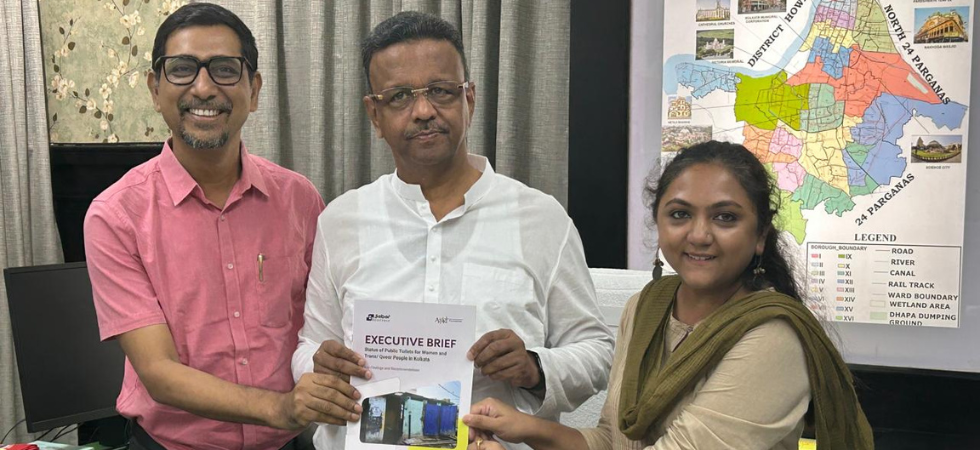
Meeting with Sh. Firhad Hakim, Honourable Mayor of Kolkata

On 29 Aug’2025, Mousumi Sarkar (State Lead, Kolkata, Azad Foundation) and Sabir Ahamed (Convenor, Sabar Institute and Programme Director, Pratichi Institute) met with the Honourable Mayor of Kolkata to share the study recommendations and seek guidance and support from the Kolkata Municipal Corporation in taking the agenda of shaping an inclusive city forward.

The Honourable Mayor has responded positively, expressing willingness to work towards inclusive, safe, and hygienic sanitation facilities for women, trans and queer persons in Kolkata.


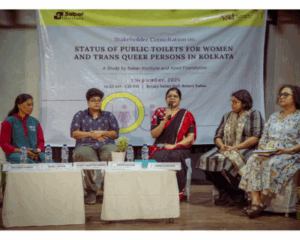
Stakeholder Consultation

On 1 Sep’2025, Azad Foundation and Sabar institute held a joint stakeholder consultation to disseminate the study findings and recommendations, joined by 150 participants including sector experts, academia, civil society, media, and community representatives.

The research study has been featured across 15 national, regional media and social media platforms, including The Hindu, The Wire, Indian Express, Feminism in India, amplifying the urgency of addressing this issue.


Read the Executive Brief here

Engaging with Government for Gender Inclusive Infrastructure and Policies in the Transport Sector

From Evidence to Action

After more than a decade of Azad’s engagement with the Transport Ministry, and with the government taking progressive steps towards gender inclusion, 93 women are now driving buses with the Delhi Transport Corporation (DTC). Acknowledging that it is not enough for women to enter but also sustain in the sector, Azad conducted a study on the status of women drivers in DTC in 2024, along with an audit of 8 bus depots where women are employed as drivers and conductors to understand their level of gender inclusivity.

While DTC’s efforts towards opening doors for women drivers in public transport are commendable, we still have a long way to go towards sustenance of women in the sector. Azad’s study revealed the need for gender-inclusive infrastructure and practices within depots, including hygienic and functional toilets, safe rest and recreation spaces, women-friendly facilities, effective grievance redressal mechanisms and gender sensitization of staff.

Building on the findings of the study, Azad continued its close engagement with the government towards a gender-inclusive public transport system:

Meeting with Sh. Prince Dhawan, Managing Director, DTC

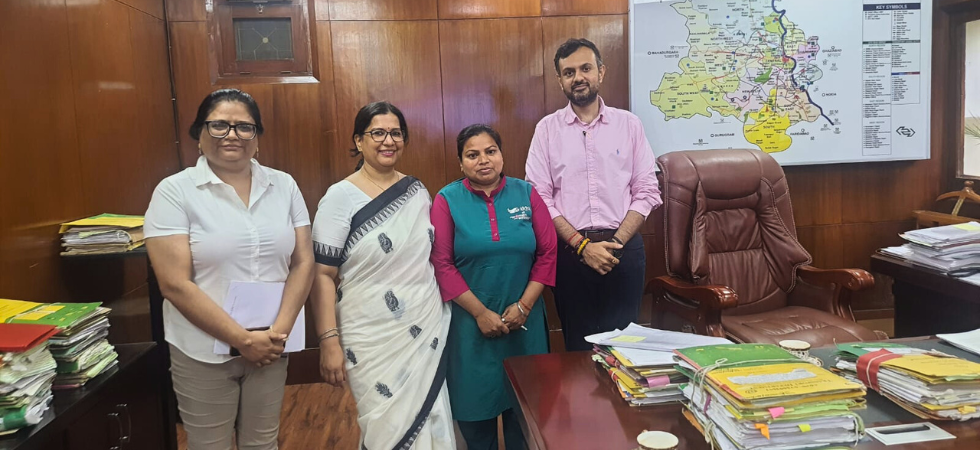
On 9 Sep’2025, a team from Azad including Rajeshwari Balasubramanian (Thematic Lead: Research, Policy Analysis and Communications), Madhu Bala (State Lead, Delhi) and Kiran (Sakha Driver trained by Azad) met with Sh. Prince Dhawan, the Managing Director of DTC.

The team shared a letter highlighting immediate needs of the women drivers for hygienic and functional toilets, safe rest and recreation spaces and gender-sensitization of male DTC drivers and staff.

We received positive response from DTC with an approval to conduct regular gender-sensitization workshops for its male drivers and conductors. Azad began conducting the workshops on 15 September, 2025. DTC has also decided to incorporate the training module designed by Azad into its official curriculum. Azad hopes to continue working with DTC on improved infrastructural facilities for women drivers.